WordPress · QalbIT
WordPress is not the point. The wait is.
We build with WordPress for teams whose users are waiting too long: measured outcomes, written scope, and IP in your accounts.
Nobody asks for WordPress. They ask why the dashboard takes four seconds and the form loses their input.
Typical before and afterApp type
| What users feel | Before · what we inherit | After · WordPress |
|---|---|---|
| Time to interactiveHow long before a user can do anything | 4.2s | 1.1s74% faster |
| Page transitionMoving between screens once loaded | 1.8s | InstantNo reload |
| Form round-tripSubmitting and seeing the result | 2.4s | 0.3sOptimistic |
| Mobile bounce ratePeople who leave before it loads | 46% | 19%−27 pts |
Medians across WordPress rebuilds we have delivered · measured with Lighthouse and real-user data, before and after
48h
To a written scope
Week 1
Working prototype
Editorial
Publish without a developer
100%
Code and IP yours
What we build with WordPress
WordPress and headless WordPress for content-heavy sites.
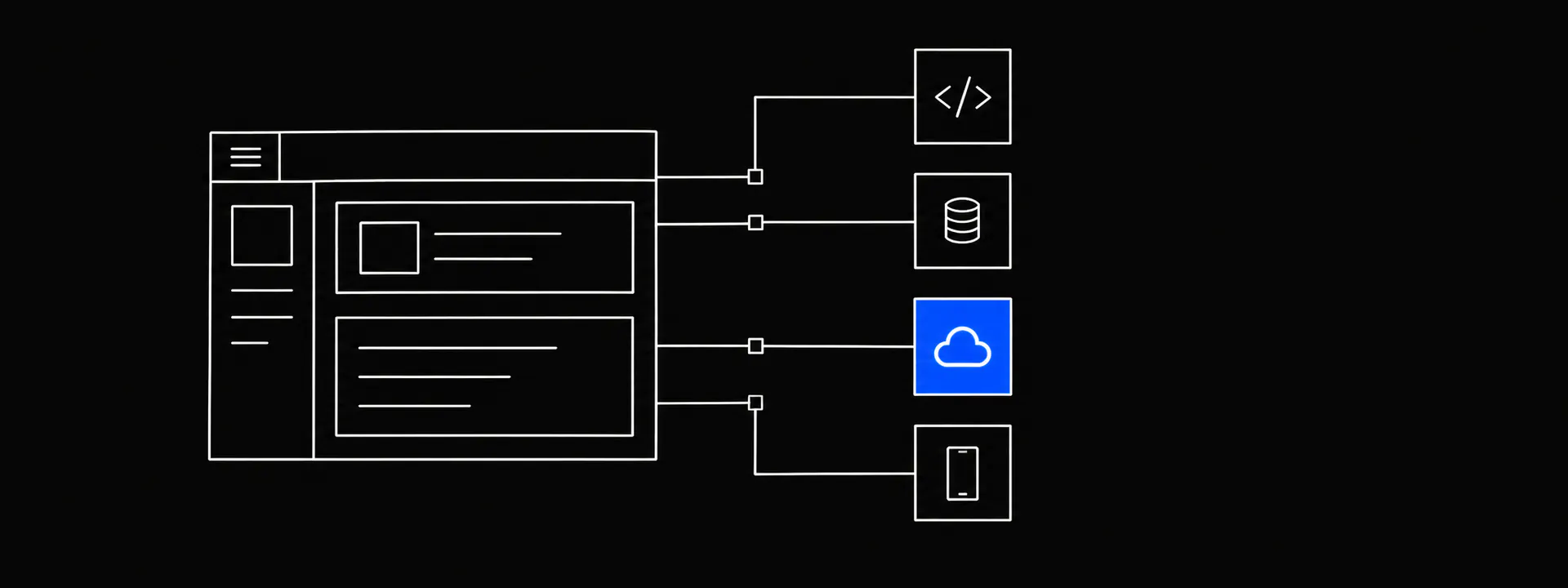
We help editorial and marketing teams use WordPress where it shines: publishing without a developer, either on WordPress itself or headless with a Next.js front end consuming content through WPGraphQL.
Headless WordPress front ends
WordPress stays the editorial tool your team already knows; a Next.js front end renders the pages fast.
Editorial & content platforms
Publishing workflows an editorial team can run without waiting on a developer for every page.
Custom themes & blocks
Bespoke Gutenberg blocks and theme templates built to the brand, not bent around a page-builder plugin.
Plugin & security audits
The plugin list trimmed to what the site actually uses, and the security risk that comes with the rest removed.
Migration to WordPress or headless
A legacy CMS moved onto WordPress, or an existing WordPress site decoupled into a headless setup, without a downtime freeze.
Performance rescue
Slow admin screens and plugin conflicts profiled and fixed: measured before and after.
How WordPress projects run here
A practical WordPress process, from audit to production.
We keep the WordPress process structured but lightweight, so we can deliver a working build in real time without surprising you on quality, timeline or budget.
Audit & architecture
We read the existing site or the requirements, then propose the content model, theme or headless approach and plugin strategy.
Week 1
Content model & schema design
A content model and, where headless, the WPGraphQL schema the front end consumes: the decisions that stop a plugin list turning into a liability.
Week 1–2
Implementation & integration
Build or refactor components, wire them to APIs, handle loading, error and empty states properly.
Sprint by sprint
Testing, hardening & rollout
Automated tests on critical paths, accessibility and performance passes, then a staged release.
Pre-launch
Ongoing support & features
A standing team continues to ship features and keeps dependencies current.
Post-launch
Where WordPress earns its keep
WordPress use cases we most often deliver.
Most of our WordPress work is content-led: marketing sites, blogs and headless setups, rather than logged-in product surfaces.
Marketing & content sites
Sites an editorial team can update themselves, without breaking layout or losing SEO in the process.
Headless product front ends
WordPress as the editorial back end, Next.js rendering the pages a customer actually visits.
Membership & customer portals
Accounts, documents and requests, moved off email and spreadsheets and onto a maintained plugin stack.
Legacy CMS replacement
Replacing an ageing or unsupported CMS with WordPress, page by page, without a downtime freeze.
The stack around WordPress
The WordPress stack we typically use at QalbIT.
For headless builds we pair WordPress with modern tooling: TypeScript, WPGraphQL and a Next.js front end, so publishing stays fast and the front end stays maintainable as the team changes.
Core
- WordPress
- TypeScript
- Next.js App Router
- Turbopack
State & data
- TanStack Query
- Zustand / Redux Toolkit
- REST & GraphQL
- Zod validation
Styling & design systems
- Tailwind CSS
- Radix UI primitives
- Storybook
- Design tokens
Quality & observability
- Vitest / Jest
- Playwright
- ESLint & Prettier
- Sentry
We adapt to what you already run. If your team already has editorial conventions or a theme in place, we work inside them rather than rewriting for preference.
WordPress in production
The discipline behind every WordPress build.
The same discipline on every build: managed updates, a minimal plugin list, and the client owning the content.
Start here
Hire WordPress developers who will still be proud of the code in year three.
Share your current front end, goals and the problems you want to solve. We will review your requirements, look at any existing code and propose a practical WordPress plan that matches your stage and budget.
- A written scope with the exclusions listed
- An architecture recommendation for state and components
- The name of the engineer who would lead it
- Free, and yours to keep either way
Get your free estimate
Three quick questions: scope, approach and a price range back within 48 hours. No sales call required first.
FAQs · WordPress
WordPress development: frequently asked questions
Common questions about WordPress builds, headless setups, performance and team setup, plus what happens after launch.
Ask us directly →Next step
Let’s plan your next WordPress build.
Dashboard, portal or product UI: send it in two lines and get a written scope, timeline and price range within 48 hours.