Technologies · Upwork Top Rated on Upwork
Software development tech stack: the technologies we use for web, mobile & SaaS.
We pick our software development tech stack for fit, not fashion: full-stack JavaScript for modern products, PHP frameworks for ERP and B2B platforms, Flutter for mobile and AWS for infrastructure you can afford to run.
We run four of our own SaaS products on this stack, so the recommendation comes from operating it, not reading about it.
Full-stack JavaScript
Primary stack
Laravel & CodeIgniter
ERP & B2B platforms
Flutter, one codebase
Mobile
AWS, Azure, GCP
Cloud & DevOps
Get your free estimate
One step. A senior engineer reads every brief: a written response within 48 hours; a written scope and price range after one call.
The stack we build on
Frontend, backend, mobile and cloud technologies.
Every technology here is one we run in production and support long-term, not a logo wall. Tell us the problem and we will tell you which of these actually fits.
React.js
High-performance, component-based frontends for SaaS dashboards and product interfaces.
Next.js
Full-stack React with hybrid rendering, routing and SEO-friendly marketing surfaces.
TypeScript
Typed codebases that stay maintainable as the team and product grow.
Tailwind CSS
Utility-first UI development for products that need consistency and speed.
Node.js
API-first Node and NestJS services powering integrations and real-time features.
Laravel
Secure, maintainable PHP backends for portals, ERP and multi-tenant SaaS.
CodeIgniter
Long-term maintenance and extension of established PHP business systems.
PostgreSQL
Relational databases tuned for reliability, analytics and business-critical data.
MySQL
Proven relational storage for ERP, marketplaces and transactional platforms.
MongoDB
Document storage for flexible schemas, content and event-heavy workloads.
Flutter
iOS and Android from one codebase, with secure backends and analytics.
AWS
Architecture, migration and DevOps focused on reliability, security and cost control.
Azure & Google Cloud
Cloud migration and modernisation where your business already runs.
REST & GraphQL APIs
Integration layers between products, partners and internal systems.
Stripe, Razorpay & PayPal
Payments, subscriptions and billing wired into production systems.
WordPress
Content platforms connected to custom APIs when marketing needs its own speed.
Android
Native Android apps in Kotlin where the device, not the browser, is the product.
React Native
One JavaScript codebase for iOS and Android when the team already lives in React.
NestJS
NestJS backends with modular structure, typed contracts and testable services.
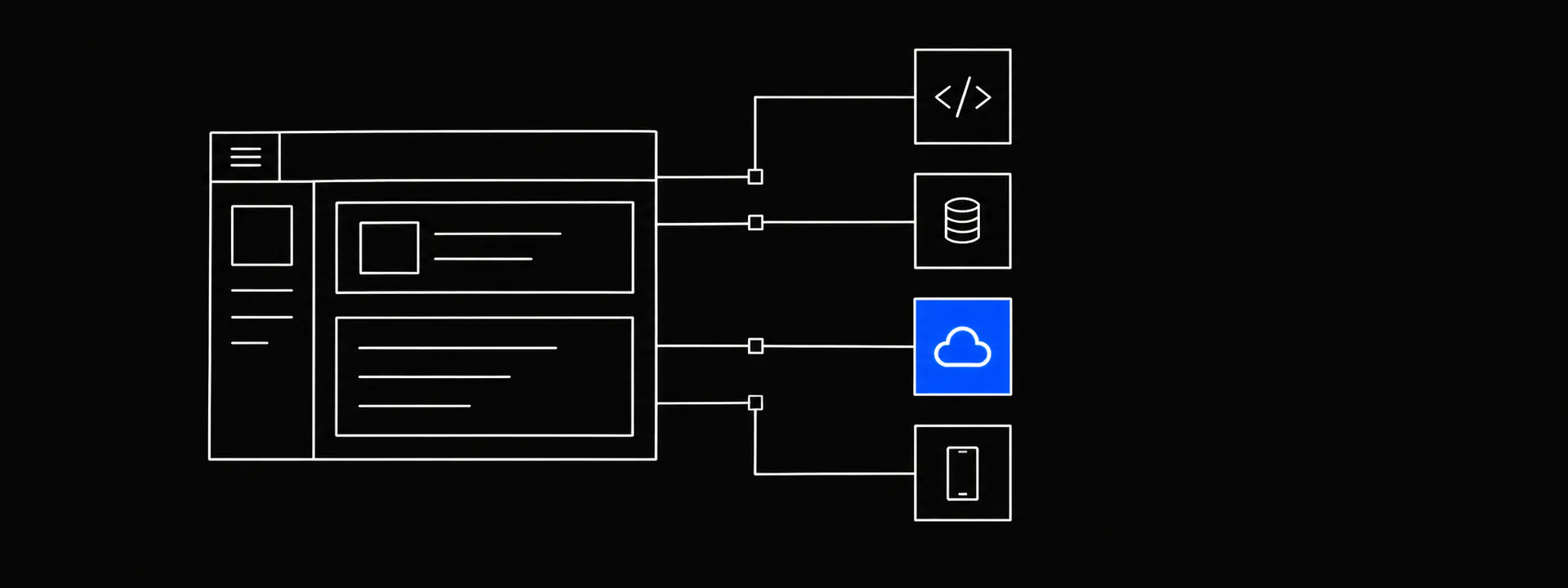
How we choose
How we choose the right tech stack for your product.
Four questions decide almost every stack call we make. We answer them with you on the discovery call, in writing, before estimating.
Who maintains it in two years?
If you plan to hire in-house, we pick a stack your market actually hires for.
What does it cost to run?
We size infrastructure against real usage, not a launch-day fantasy, so backend development and APIs are costed against the traffic you actually expect.
What already exists?
Existing systems, data and integrations usually decide more than preference, so we read the live API payloads early, and the JSON formatter is usually where that starts.
How fast must v1 ship?
A six-week MVP and a five-year platform are rarely the same architecture.
Sample stacks
Sample tech stacks for common project types.
Starting points we have shipped more than once. Your version gets adjusted on the discovery call. These are not templates we force you into.
Multi-tenant, billing, analytics
B2B SaaS platform
Next.js · Node.js · PostgreSQL · Stripe · AWS
Catalogue, checkout, logistics
Marketplace or e-commerce
Next.js · Laravel · MySQL · Razorpay · AWS
One codebase, secure backend
Mobile-first product
Flutter · Node.js · MongoDB · Firebase · GCP
Modules, roles, reporting
ERP or internal platform
Laravel · MySQL · REST APIs · Azure
Recent projects on this stack
Recent projects using these technologies.
The same technologies, applied to very different products, with the stack decisions we would make again.
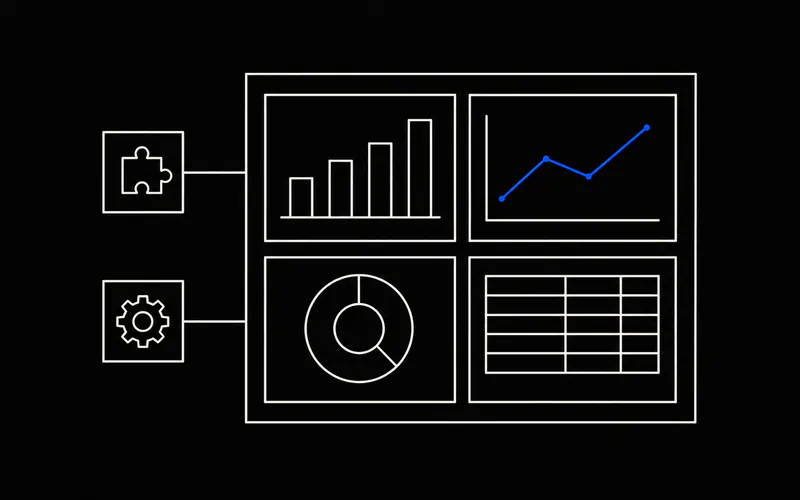
CyberFind · decision engine for CISOs
Peer reviews, outcome metrics and side-by-side vendor comparisons for security leaders.
Next.js / React · Node.js · PostgreSQL
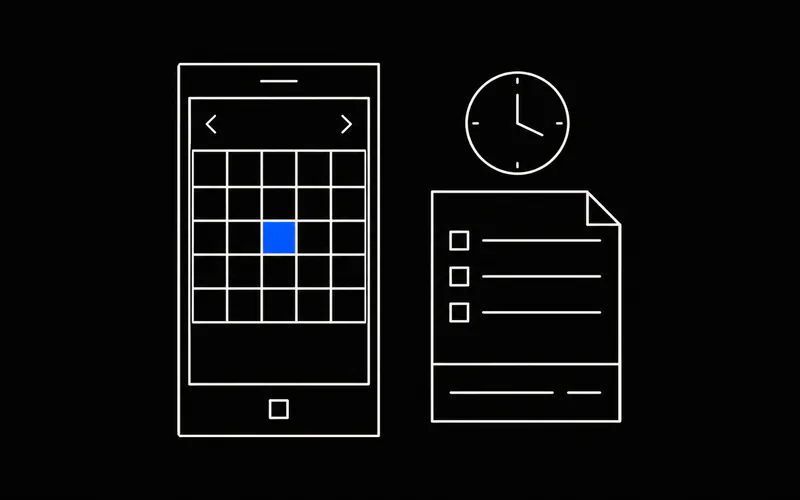
Plugin · tennis club management
Court schedules, memberships, variable pricing and online payments in one web app.
PHP (CodeIgniter) · MySQL · Stripe & PayPal
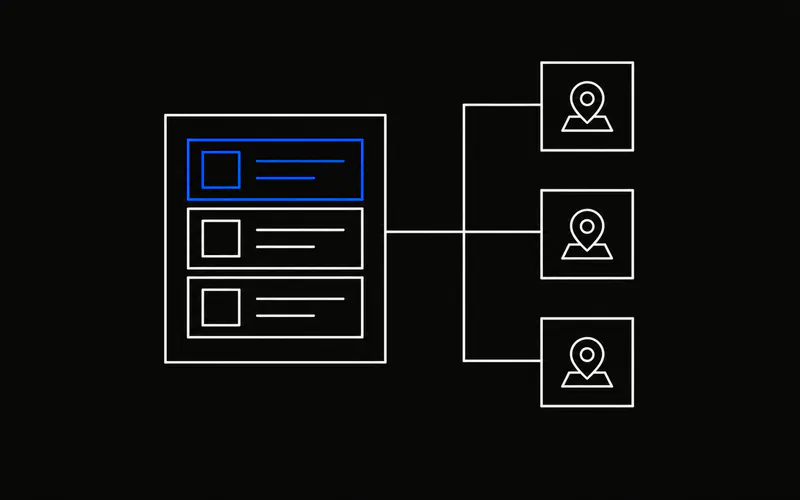
Hellory · smart reminder app
Recurring reminders, custom templates and secure messaging across iOS and Android.
Flutter · Node.js / Express · MongoDB
FAQs · tech stack
Frequently asked questions about our technology stack
Not listed here? Send your current stack and roadmap. We will tell you what we would keep, replace or leave alone.
Ask our engineers →Next step
Not sure which stack fits?
Send your product and current stack. You get a written response within 48 hours, and after one call a recommendation with trade-offs and a price range.