TypeScript · QalbIT
TypeScript is not the point. The wait is.
We build with TypeScript because most production bugs are typos, mismatched shapes and unchecked null values: a shared type layer catches them at compile time, before a customer does.
Nobody asks for TypeScript by name. They ask why an API field the frontend still expects was renamed weeks ago, or why an optional value crashed a page nobody thought to guard.
Typical before and afterApp type
| What users feel | Before · what we inherit | After · TypeScript |
|---|---|---|
| Time to interactiveHow long before a user can do anything | 4.2s | 1.1s74% faster |
| Page transitionMoving between screens once loaded | 1.8s | InstantNo reload |
| Form round-tripSubmitting and seeing the result | 2.4s | 0.3sOptimistic |
| Mobile bounce ratePeople who leave before it loads | 46% | 19%−27 pts |
Medians across codebases we have converted from JavaScript to strict-mode TypeScript · defects caught by the compiler and CI before reaching staging, measured before and after
48h
To a written scope
Week 1
Working prototype
Strict mode
Compiler enforced
100%
Code and IP yours
What we build with TypeScript
TypeScript adoption built around catching bugs before they ship.
We help teams use TypeScript for what it actually prevents: the class of bug that only shows up at runtime because plain JavaScript never checked the shape of the data in the first place.
JavaScript-to-TypeScript migrations
Incremental conversion file by file, with strict mode turned on as coverage grows, never as a single breaking flag day.
Shared types across frontend & API
One source of truth for a request or response shape, so a backend change fails the frontend build instead of a user’s screen.
Runtime validation at the boundary
Zod schemas at every external input, so a compile-time type is backed by an actual check at runtime. Before writing the schema, running the raw response through a JSON formatter for seeing the real payload shape beats squinting at a minified blob in devtools.
Type-safe component libraries
Props, variants and design tokens typed so a missing or misused prop is a build error, not a visual bug in production.
Strict mode & lint rules
tsconfig and typescript-eslint tuned to the codebase’s actual risk areas, not copied wholesale from a template.
Developer tooling & DX
Autocomplete, inline documentation and safe refactors that come from types the compiler can actually verify.
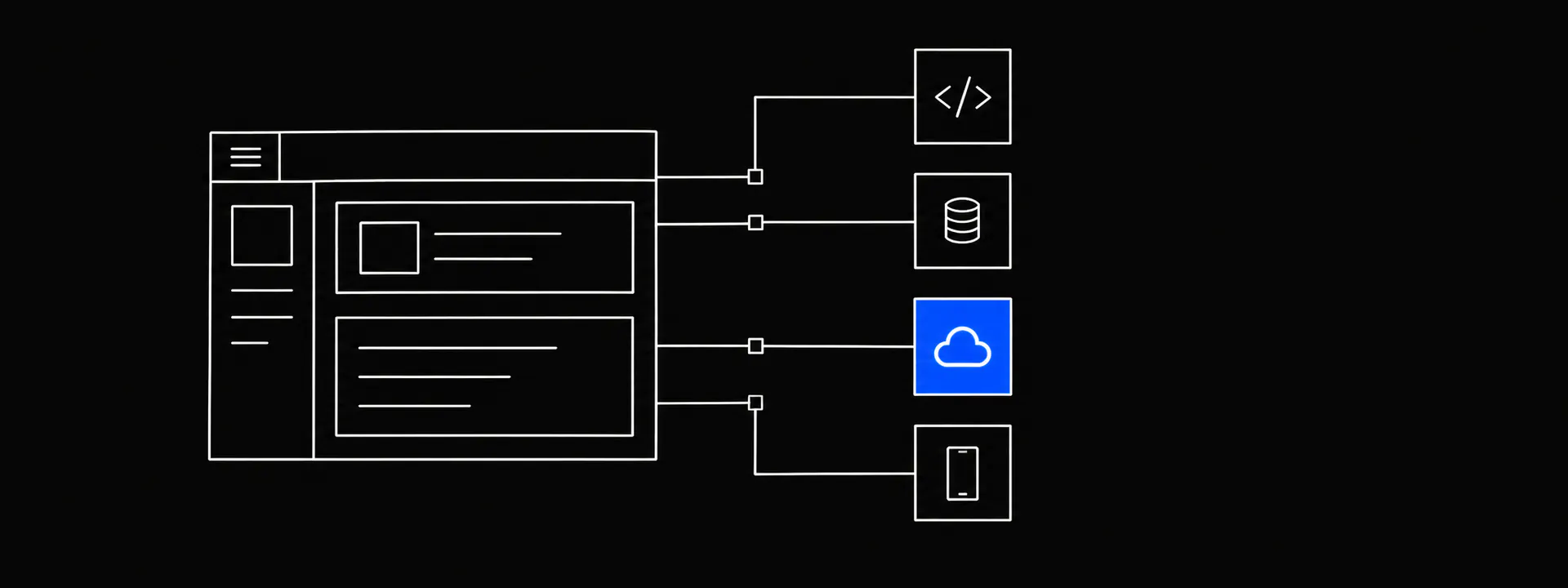
How TypeScript projects run here
A practical TypeScript process, from audit to enforced strict mode.
We keep the rollout structured but lightweight, so type coverage grows sprint by sprint instead of stalling on a rewrite nobody has time for.
Audit & type coverage
We read the existing code or requirements, measure current type coverage and any incidents a type would have caught, then plan the rollout.
Week 1
Shared type & schema design
API contracts, data models and runtime validation schemas: the decisions that stop a codebase drifting between frontend and backend.
Week 1–2
Implementation & migration
Convert files or write new ones under strict mode, replacing `any` and loose casts with real types as we go.
Sprint by sprint
Testing, hardening & rollout
A type-checked CI gate, automated tests on critical paths, then a staged rollout of strict mode across the codebase.
Pre-launch
Ongoing support & features
A standing team keeps type coverage from regressing as new code and new engineers join the project.
Post-launch
Where TypeScript earns its keep
TypeScript use cases we most often deliver.
Most of our TypeScript work is on codebases where a runtime bug already cost something: a bad deploy, a support ticket, or a silent data-shape mismatch.
API contract enforcement
Shared types between a Node.js API and its frontend consumers, so a schema change is a build error, not an incident.
Legacy JavaScript hardening
An existing JavaScript codebase converted incrementally, prioritising the modules where bugs actually happen.
Type-safe data layers
Database models, ORMs and query results typed end to end, so a column rename surfaces at compile time.
Design system typing
Component libraries where props, variants and tokens are enforced by the compiler, not a style guide nobody reads.
The stack around TypeScript
The TypeScript stack we typically use at QalbIT.
We pair TypeScript with strict compiler settings, typescript-eslint and runtime validation at the boundary, so the type system is enforced everywhere data enters or leaves the codebase, not only inside it.
Core
- TypeScript 6.x
- tsc in strict mode
- typescript-eslint
- Zod for runtime validation
State & data
- TanStack Query
- Zustand / Redux Toolkit
- REST & GraphQL
- Zod validation
Styling & design systems
- Tailwind CSS
- Radix UI primitives
- Storybook
- Design tokens
Quality & observability
- Vitest / Jest
- Playwright
- ESLint & Prettier
- Sentry
We adapt to what you already run. If your codebase is on a looser tsconfig or a different validation library, we tighten it incrementally rather than rewriting for preference.
TypeScript in production
Where the type system caught the bug first.
Different sectors, same discipline: strict mode enforced, contracts shared between layers, and the client owning the code.
Start here
Hire TypeScript developers who will still be proud of the code in year three.
Share your current codebase, its tsconfig if it has one, and the incidents you are trying to prevent. We will review your requirements, look at any existing code and propose a practical TypeScript adoption plan that matches your stage and risk tolerance.
- A written scope with the exclusions listed
- An architecture recommendation for state and components
- The name of the engineer who would lead it
- Free, and yours to keep either way
Get your free estimate
Three quick questions: scope, approach and a price range back within 48 hours. No sales call required first.
FAQs · TypeScript
TypeScript development: frequently asked questions
Common questions about migrating to TypeScript, type safety across the stack and team setup, plus what happens after launch.
Ask us directly →Next step
Let’s plan your next TypeScript build.
Migration, new build or a strict-mode rollout: send it in two lines and get a written scope, a type-coverage plan and a price range within 48 hours.