Tailwind CSS · QalbIT
Tailwind CSS is not the point. The wait is.
We build with Tailwind CSS for teams whose users are waiting too long: measured outcomes, written scope, and IP in your accounts.
Nobody asks for Tailwind CSS by name. They ask why no two screens use the same spacing, or why one more override breaks three pages that used to match.
Typical before and afterApp type
| What users feel | Before · what we inherit | After · Tailwind CSS |
|---|---|---|
| Time to interactiveHow long before a user can do anything | 4.2s | 1.1s74% faster |
| Page transitionMoving between screens once loaded | 1.8s | InstantNo reload |
| Form round-tripSubmitting and seeing the result | 2.4s | 0.3sOptimistic |
| Mobile bounce ratePeople who leave before it loads | 46% | 19%−27 pts |
Medians across Tailwind CSS rebuilds we have delivered · measured with Lighthouse and real-user data, before and after
48h
To a written scope
Week 1
Working prototype
Zero
Runtime CSS overhead
100%
Code and IP yours
What we build with Tailwind CSS
Tailwind CSS development for modern web and SaaS products.
We help founders and teams use Tailwind CSS where it shines: dashboards, portals and web apps that need a fast, consistent UI without every developer inventing their own spacing scale.
Dashboards & admin panels
Data-dense interfaces with tables, filters, charts and role-aware views that stay fast at scale.
Multi-tenant SaaS front ends
Tenant-aware theming and per-account branding built on a shared set of design tokens.
Customer portals
Self-service accounts, documents and billing surfaces that cut support volume.
Design tokens & theming
A documented token set for colour, spacing and type that your team can extend without breaking the product.
Migration to Tailwind CSS
Bootstrap, plain CSS or an ageing Sass codebase moved onto a Tailwind utility system incrementally, without a freeze.
Performance rescue
Slow, re-render-heavy apps profiled and fixed: measured before and after.
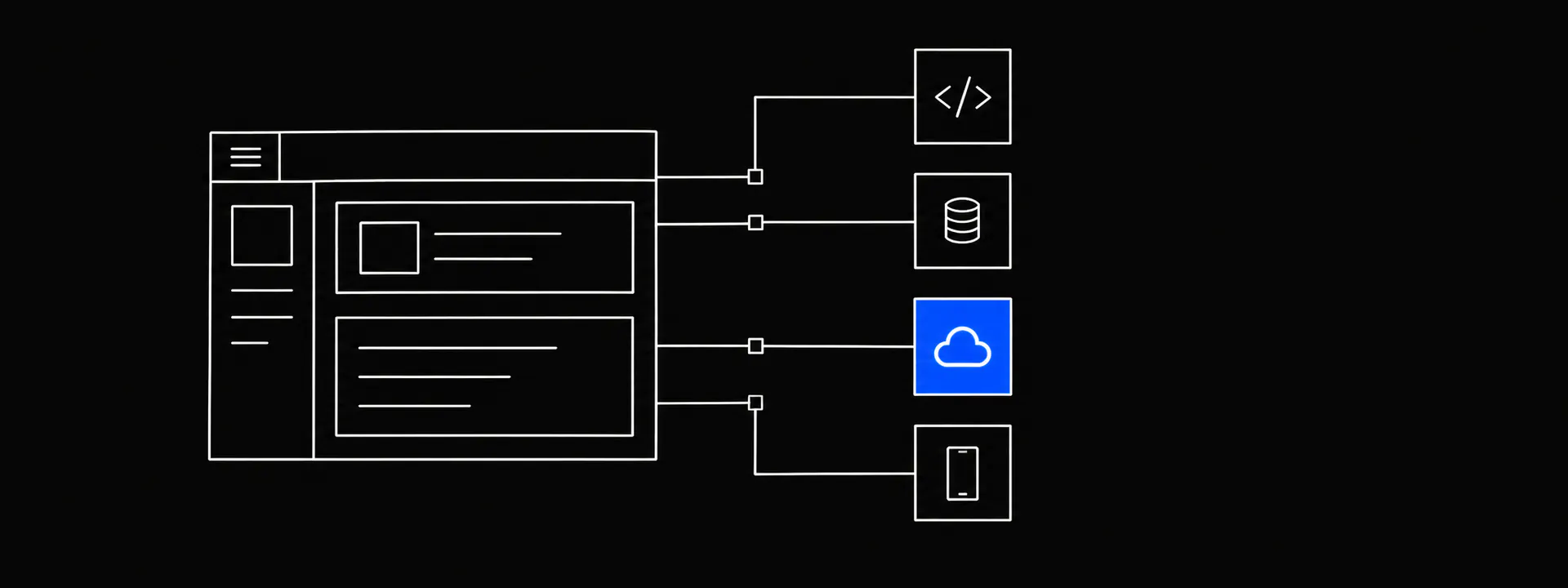
How Tailwind CSS projects run here
A practical Tailwind CSS process, from audit to production.
We keep the Tailwind CSS process structured but lightweight, so we can deliver a working build in real time without surprising you on quality, timeline or budget.
Audit & architecture
We read the existing styles or the requirements, then propose the token set, component structure and breakpoints.
Week 1
Tokens & component design
A documented token set and a shared component library: the decisions that stop a Tailwind CSS codebase turning into one-off class strings.
Week 1–2
Implementation & integration
Build or refactor components, wire them to APIs, handle loading, error and empty states properly.
Sprint by sprint
Testing, hardening & rollout
Automated tests on critical paths, accessibility and performance passes, then a staged release.
Pre-launch
Ongoing support & features
A standing team continues to ship features and keeps dependencies current.
Post-launch
Where Tailwind CSS earns its keep
Tailwind CSS use cases we most often deliver.
Most of our Tailwind CSS work is on product surfaces: SaaS dashboards, admin tools and portals, rather than brochure-ware landing pages.
Operations dashboards
Internal tools for finance, operations or support teams who need visibility and control in one place.
SaaS product UI
The logged-in surface of a subscription product: onboarding, workspace, settings and billing.
Customer self-service portals
Accounts, documents, invoices and requests, moved off email and spreadsheets.
Design system migration
Bootstrap or an ageing Sass codebase replaced with a Tailwind token system, screen by screen.
The stack around Tailwind CSS
The Tailwind CSS stack we typically use at QalbIT.
We usually pair Tailwind CSS with modern tooling: TypeScript, a typed component library and a tested data layer, so the whole front end stays maintainable and predictable as the team changes.
Core
- Tailwind CSS 4
- TypeScript
- Next.js App Router
- Vite
State & data
- TanStack Query
- Zustand / Redux Toolkit
- REST & GraphQL
- Zod validation
Styling & design systems
- Headless UI
- Radix UI primitives
- Storybook
- Design tokens
Quality & observability
- Vitest / Jest
- Playwright
- ESLint & Prettier
- Sentry
We adapt to what you already run. If your team is on a different CSS approach or component library, we work inside it rather than rewriting for preference.
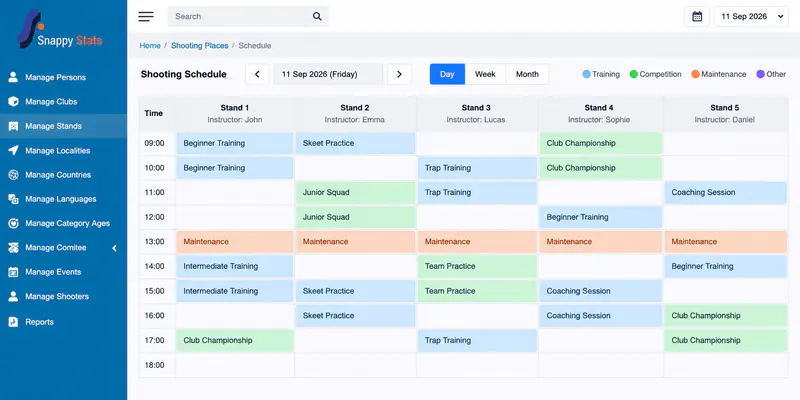
Tailwind CSS in production
Where Tailwind CSS is the surface.
The same discipline on every build: consistent tokens, accessible components, and the client owning the code.
Start here
Hire Tailwind CSS developers who will still be proud of the code in year three.
Share your current front end, goals and the problems you want to solve. We will review your requirements, look at any existing code and propose a practical Tailwind CSS plan that matches your stage and budget.
- A written scope with the exclusions listed
- An architecture recommendation for state and components
- The name of the engineer who would lead it
- Free, and yours to keep either way
Get your free estimate
Three quick questions: scope, approach and a price range back within 48 hours. No sales call required first.
FAQs · Tailwind CSS
Tailwind CSS development: frequently asked questions
Common questions about Tailwind design systems, migrations, accessibility and team setup, plus what happens after launch.
Ask us directly →Next step
Let’s plan your next Tailwind CSS build.
Dashboard, portal or product UI: send it in two lines and get a written scope, timeline and price range within 48 hours.