Communication:
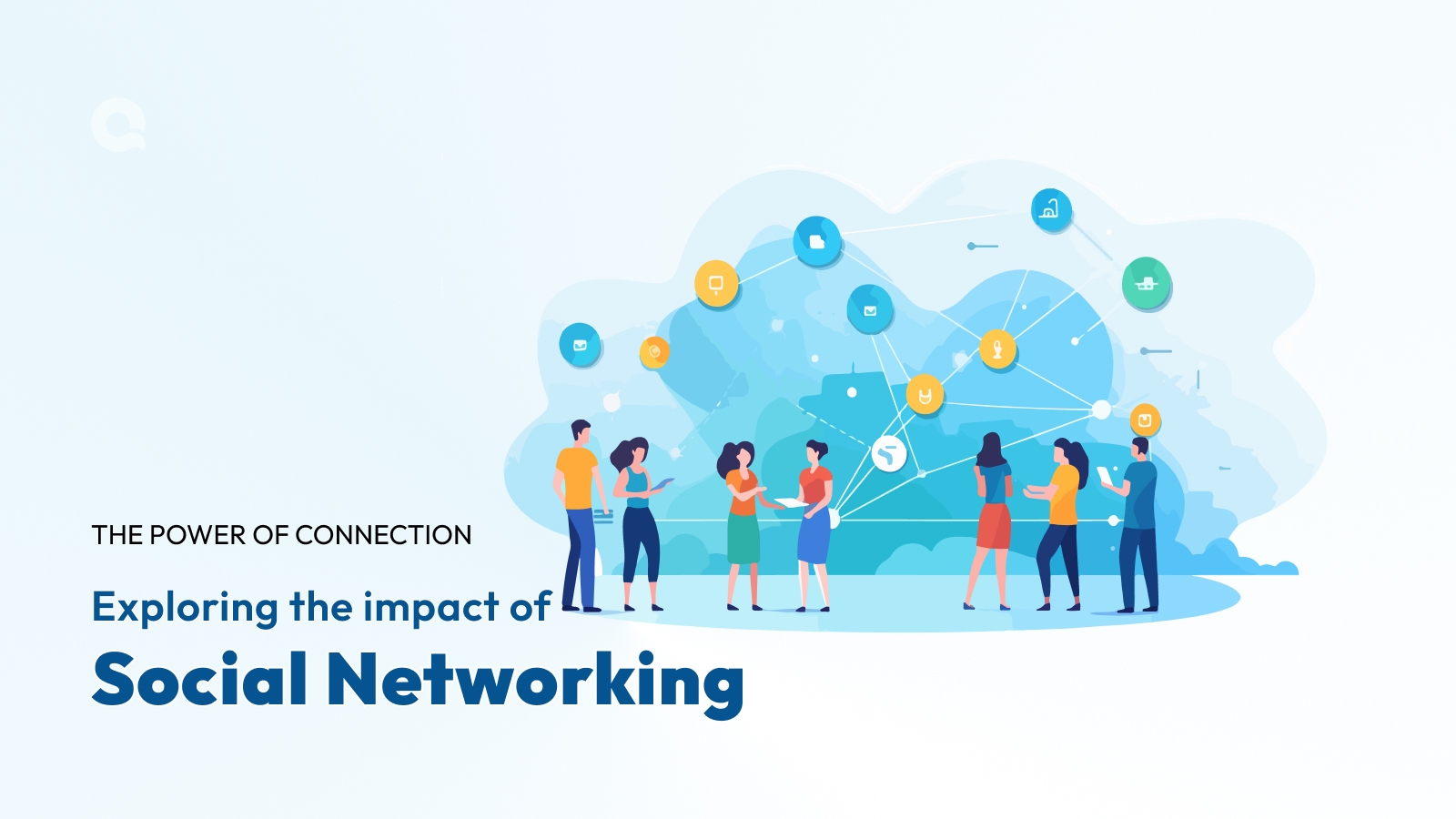
Social networks provide versatile tools for communication, ranging from direct messaging and video calls to group chats and discussion forums. Because of this flexibility, people can exchange ideas and collaborate on projects more easily. They can also share important information quickly and efficiently.
Information Sharing:
One of the standout features of social networking is how fast information spreads. Whether it’s breaking news, educational content, or lifestyle tips, these platforms keep everyone informed about the topics that matter to them.
Community Building:
Beyond individual connections, social networks excel at fostering communities around shared interests, causes, and passions. These online communities offer support, engagement, and a sense of belonging. As a result, they enhance users’ social experiences and give them a platform for collective action.
Engagement and Interaction:
Social networking is dynamic. It encourages active participation through features like likes, comments, shares, and polls. This engagement helps nurture relationships. In addition, it helps build a responsive and interactive online presence.
The Impact of Social Networking:
- Enhanced Social Connectivity: Social networks have eliminated the barriers of distance, so people can connect with others across the globe instantly.
- Broad Information Access: From learning new skills to staying updated with global events, social networks provide a treasure trove of information accessible to all.
- Community Engagement: These platforms have become essential for building and engaging communities. They offer spaces where like-minded individuals can meet, share, and support each other.
- Professional Opportunities: For professionals, networks like LinkedIn are invaluable for career development, networking, and job opportunities. Likewise, improving your professional skills is easier than ever with resources like LinkedIn Learning. It offers a wide range of courses and insights for advancing professional skills across various industries.
Professional and Personal Growth
Social networking platforms also play a pivotal role in personal and professional development. Professionals use platforms like LinkedIn to showcase their skills, seek new opportunities, and stay connected with industry trends. Similarly, people grow personally through educational platforms, peer support groups, and motivational content. In turn, this helps individuals achieve personal goals and improve their quality of life.
Navigating Challenges
Despite the many advantages of social networking, it also presents several challenges. These include privacy concerns, misinformation, and the risk of cyberbullying. To safeguard their online presence, users should learn and use the privacy tools and settings that social platforms provide. Understanding these features is crucial for keeping control over personal information. It also improves your security online. Additionally, being aware of the content you share and the interactions you make can help prevent potential vulnerabilities as the digital world keeps changing.
Conclusion
The power of social networking lies in its ability to connect us with the world in unprecedented ways. As these platforms continue to evolve, they offer new opportunities for growth, learning, and connection. Therefore, embracing these tools can lead to more informed, engaged, and united global communities. Social networking is not just about staying connected; it’s about enriching our lives and broadening our horizons. For those looking to leverage the power of social networking for business, explore our industry-specific solutions on Our Social Networking Industry or get an estimate for your project.


Introduction
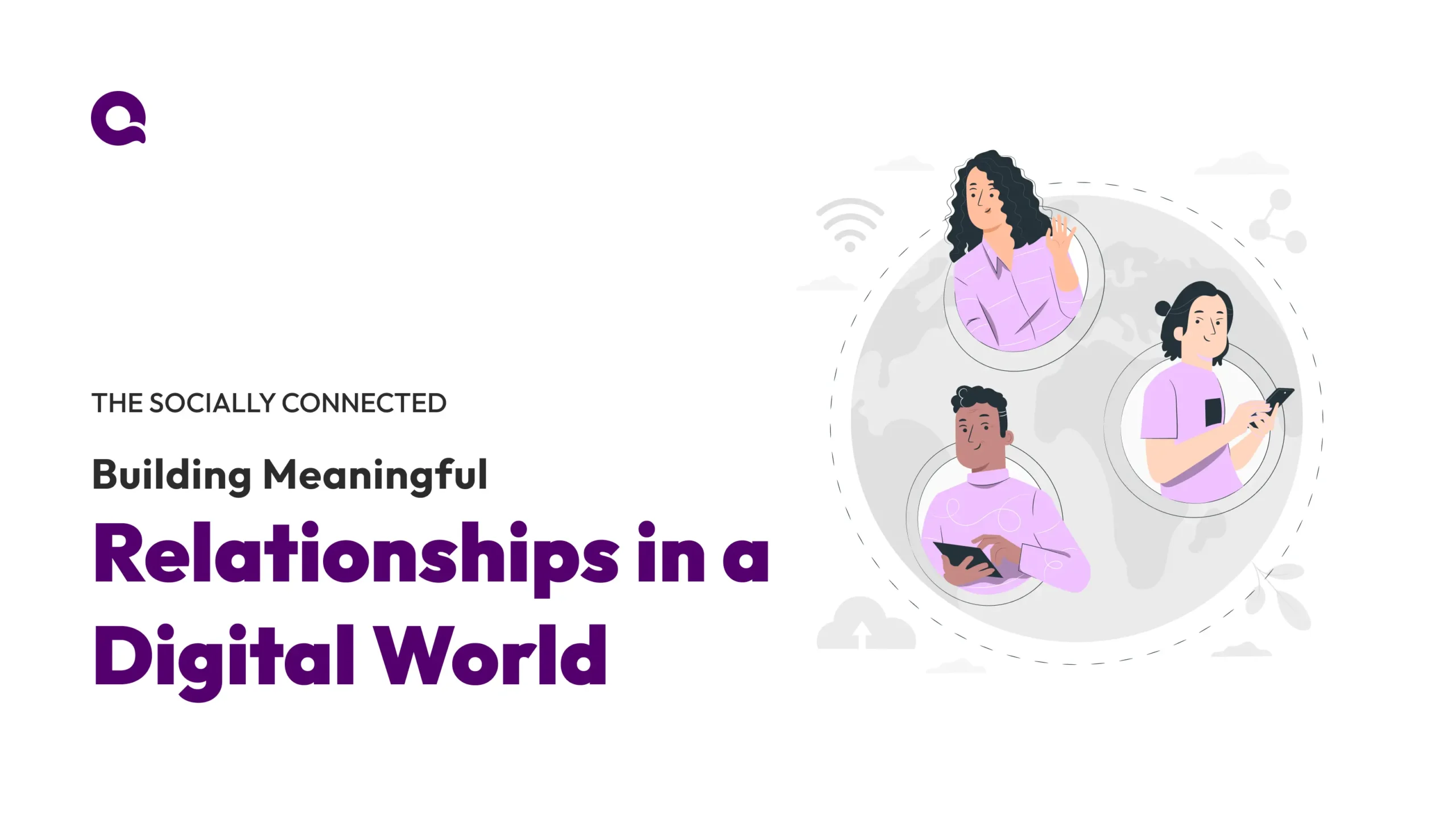
In today’s digital age, social networking is more than just a means of staying connected. Instead, it’s a vibrant hub of interaction that spans the globe. These platforms have changed the way we connect. They have also changed how we share information, pursue professional growth, and engage in community activities. This blog explores the impact of social networking on our personal lives, our workplaces, and society at large. Discover how our services can help you harness the potential of social networking by visiting Our Services.
The Evolution of Social Networking
Social networking has come a long way, from the early days of chat rooms and simple forums to the sophisticated platforms of today. Platforms such as Facebook, Twitter, Instagram, LinkedIn, and TikTok now dominate the digital world. They offer a wide range of features for real-time communication and rich media sharing. This evolution reflects broader shifts in society. For example, a recent Pew Research Center study looked at how Americans use social media. It highlights the different ways in which different demographics engage with these platforms.
Key Components of Social Networking
Connectivity:
At its core, social networking thrives on connectivity. These platforms let individuals maintain personal connections and reconnect with old friends. They also help people create new professional ties. Moreover, sharing life’s moments through photos, videos, and status updates has brought people closer together, regardless of physical distance.